Online THC delta 9: Legal Considerations You Should Know
Buying online THC delta THC delta 9 9 can feel straightforward until you look closely at what “legal” actually means in your state, in the jurisdiction that ships to you, and in the fine print that usually sits behind checkout buttons. Delta-9 THC is the best-known cannabinoid, but it is also the one that triggers the most regulatory friction, largely because lawmakers treat it differently depending on whether it comes from hemp or marijuana, and how it is measured.
When you search terms like online THC delta 9 or Buy online THC delta 9, you are usually looking at products that are marketed as legal because they are “hemp-derived.” That can be true in one place and a problem in another. Even when the product itself is consistent, the legality of your purchase can still hinge on things you cannot see from a product page: state definitions, shipping restrictions, and local enforcement priorities.
Below are the legal considerations I would personally sort through before buying, whether I am tempted by a branded Thc Delta 9 gummy, a vape, or something packaged as Delta-9 THC.
Why delta-9 THC is treated differently than other cannabinoids
Regulation tends to track the “source” and the “amount.” In the United States, federal law historically carved out an exception for hemp, generally defined by THC concentration on a dry-weight basis. The catch is that delta-9 THC is still delta-9 THC. It is psychoactive, it is regulated for safety and labeling purposes, and it can cross state lines into categories that local laws treat as marijuana.
That means you can run into situations like these:
- A product is marketed as legal online in one state because it meets a hemp threshold, yet the same product category is not allowed in your state.
- A company ships “hemp products” but blocks delivery to certain ZIP codes once they notice where you live.
- Even if delta-9 is tolerated, high-dose packaging or certain delivery methods (edibles versus inhalables) may be handled differently in practice.
The practical takeaway is simple: treat “hemp-derived” as a helpful clue, not a guarantee.
The biggest legal variable: where you live and where it ships
With online purchases, you are not only dealing with your own local rules. You are also dealing with the seller’s shipping compliance, the carrier’s policies, and any restrictions tied to your delivery address.
I have seen customers assume that if a site sells nationally, it must be legal everywhere. That assumption breaks quickly when you look at how vendors handle compliance. Many reputable sellers will ship only to states where their product fits that state’s definition. If they do not block your address, that does not automatically mean your local law approves the product for you. It can mean they are comfortable with their internal interpretation or that they do not yet have a mapping rule for your state.
So when considering Buy Thc Delta 9 options online, start with the boring but decisive step: check your state rules for hemp-derived products and delta-9 THC specifically, then check whether your state has additional limits on intoxicating hemp products, serving sizes, or total THC.
If you are willing to do a little extra digging, look for guidance tied to “intoxicating hemp,” “total THC,” or “marijuana equivalent.” Some states define regulated products using a “total THC” model rather than only delta-9 concentration. Others focus on conversion formulas or on the way products are labeled. Those differences can matter even if the same SKU is sold online.
Hemp-derived delta-9 versus marijuana: the law’s common fork in the road
The legal distinction often comes down to whether the product qualifies under hemp definitions and whether it is being sold within the permitted channel.
In many places, hemp-derived delta-9 products can exist in a legal gray area that is narrowing over time. Some jurisdictions allow sales through general retail channels with labeling requirements. Others require that delta-9 products be sold only through licensed marijuana dispensaries, even if the cannabinoid originally came from hemp.
There are also products that complicate the picture. For example, some brands market “delta-9” even when the product is produced via conversions from other hemp cannabinoids. The chemistry can be real, but the legal classification can still depend on state rules around conversions, intermediates, and whether the product fits a “naturally occurring” definition or a “produced by conversion” definition.
If you want Thc Delta 9 without surprises, you are better off looking for sellers that are explicit about how their delta-9 content is derived and that provide testing documentation.
The measurement problem: concentrations, “dry weight,” and label language
Even when the legality seems like a numbers game, the numbers are not always apples to apples.
Regulatory thresholds are commonly tied to THC concentration measured on a dry-weight basis. That means the same gummy can have different “THC content” depending on how moisture content is handled. Labels often show a per-serving milligram number, which is not the same thing as a dry-weight percentage threshold.
As a shopper, you can still use the label intelligently, but you need to know what you are reading:
- Milligrams per serving tell you potency for your body and your tolerance.
- Percentage or concentration ties more directly to some legal definitions.
- Total THC can include more than delta-9, depending on the jurisdiction and the product formulation.
- Lab reports should show the actual tested results, not just marketing claims.
When people buy online THC delta 9 and run into trouble, it is often not because the cannabinoid is inherently illegal. It is because the product is misrepresented, the seller is using marketing language that doesn’t match how the law measures THC, or the buyer assumed the label’s milligram figure meant the product would qualify under a concentration threshold.
Age limits and consumer protection rules
Even in places where hemp-derived delta-9 is permitted, consumer protection still matters. Age restrictions, packaging rules, and labeling requirements can apply. Some jurisdictions require child-resistant packaging, clear THC warnings, and restrictions on how close products are marketed to candy or beverages marketed to minors.
If a site makes it easy to buy without identity verification where it should require it, that is not just a minor red flag. It can signal sloppy compliance. I would treat sloppy compliance as a legal risk on top of the product quality risk.
Also, be careful about shipping timelines. If a product is held by a carrier or delayed by local enforcement, your legal exposure becomes less about “did you intend to break the law” and more about what ultimately arrives at your address and how it is classified.
What testing and documentation do for your legal risk
I am not suggesting lab tests magically make something legal where it delta-9 edibles is not. They do not. But good documentation can reduce a different kind of legal problem: mislabeling.
If your state or local enforcement looks at delta-9 concentration, inaccurate labeling is an easy way for a product to fail scrutiny even if the overall category is generally allowed.
A reputable seller will typically provide current third-party lab results. You should expect those results to align with the batch you receive. That alignment matters. A certificate that references a different batch number can become another reason a transaction runs into trouble, even if the brand “generally” makes consistent products.
Here is a practical way to think about it: if you are going to Buy Thc Delta 9 online, you want the kind of paperwork that a reasonable officer could use to determine what was sold and what was actually contained.
Red flags that often show up in online delta-9 sales
Not every problematic situation is a legal issue, but the patterns are consistent. If you are trying to decide whether an online shop is worth your money, scan for compliance signals.
Consider these red flags:
- The product page avoids any mention of third-party lab testing or provides only generic reports that do not appear batch-specific.
- The site makes sweeping claims like “legal in all 50 states” without acknowledging state-by-state variation.
- The package description is vague about THC form, delta-9 concentration, or how the cannabinoid is produced.
- Checkout does not ask you to confirm your state or does not screen delivery addresses at all.
- Customer support provides inconsistent answers about where they ship and what restrictions apply.
None of these automatically prove illegality, but they can correlate with higher odds of misclassification, mislabeling, or a shipping policy that breaks once a carrier flags the package.
A small, real-world example of how this plays out
A friend of mine lives in a state that allows certain hemp-derived products but has additional limits on “intoxicating hemp” and requires tighter labeling for delta-9 content. They ordered an edible from an online store that advertised widely and had fast shipping. The order went through, tracking updated normally, and the product arrived.
Then they realized the state label expectations did not match what the packaging included. They called the company for clarification and got a response along the lines of “our standard packaging meets federal hemp guidelines.” That does not always satisfy state packaging rules. They did not get arrested or anything dramatic, but the experience was enough to make them cautious. The legal risk was not a dramatic headline, it was that the product category could be treated differently than the seller assumed.
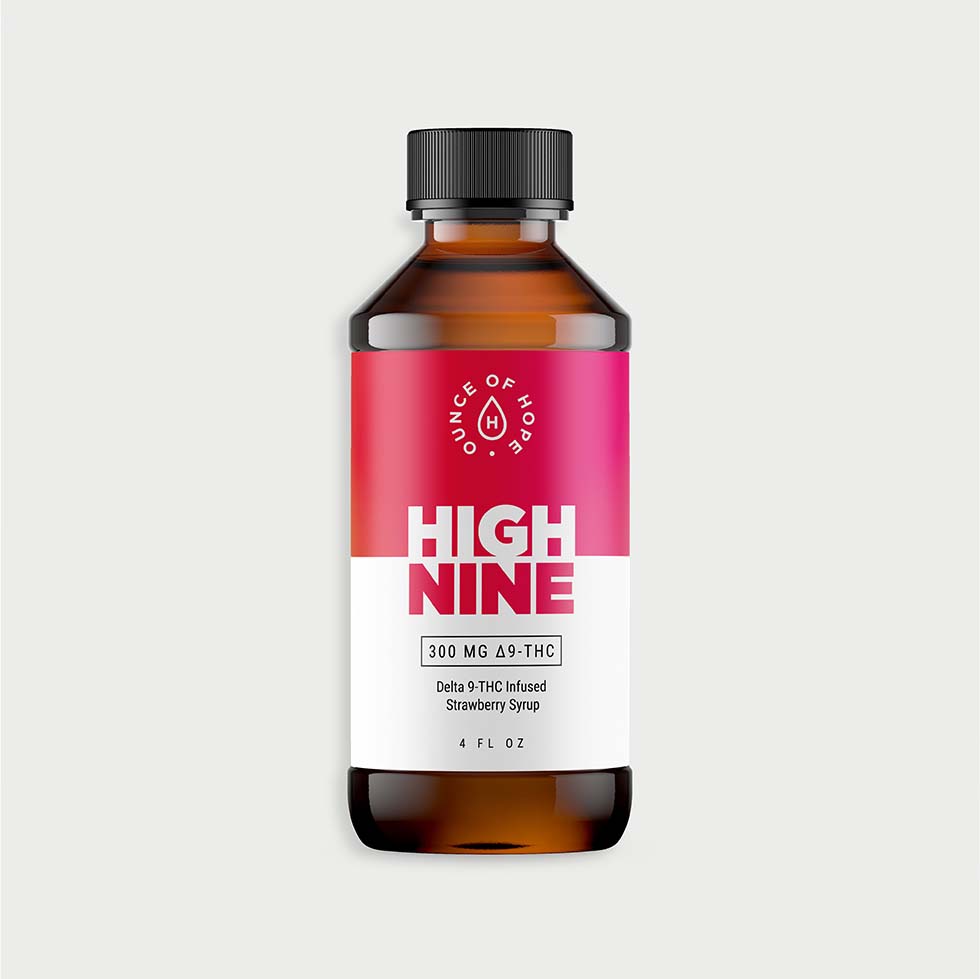
That is the kind of edge case that happens more often than people think, especially when a site assumes national legality and your state is still working through how to regulate intoxicating hemp products.
Check before you click “buy”: a compliance-minded checklist
If you want an approach that helps you avoid the most common legal mistakes, use a quick internal checklist. This is not legal advice, it is buyer discipline.
- Confirm whether your state allows hemp-derived delta-9 products, and whether it uses limits based on delta-9 concentration, “total THC,” or serving/form rules.
- Verify the seller screens shipping addresses and clearly states where they do and do not ship.
- Look for batch-specific third-party lab results that show delta-9 THC and other relevant cannabinoids.
- Check labeling for required warnings, age gating, and any state-specific compliance wording.
- If you have questions, email the company and ask what exact compliance category their product falls under in your state, then save their reply.
A lot of online THC delta 9 issues can be avoided by doing those steps once instead of trusting the product page.
Federal considerations (and why they rarely end the question)
At the federal level, the hemp-marijuana distinction has been a key feature of the legal landscape in the United States. But federal rules do not always override state enforcement. Many states have their own definitions and their own licensing requirements for products that are considered marijuana products.
Also, the regulatory world for THC products includes more than criminal legality. There are separate frameworks involving consumer product rules, food and beverage rules for edibles, and advertising restrictions. The result is that a product can be “less likely to be prosecuted criminally” and still be subject to enforcement or restrictions in the consumer market.
That is why you should not treat “federal hemp allowance” as a full answer to the legality question. For most buyers, the decisive legal question is: what does your state treat this product as?
Online shipping, packaging, and the practical risk of misunderstanding
Even if a product is legal where it is sold, shipping logistics can create their own risk. Packages can be flagged for documentation issues. Carriers may have policies about certain categories of cannabis-related shipments. If the label is confusing or the contents do not match the documentation, the package may be held longer.
From a legal standpoint, the risk is not only the end state of the product. It is also what you can reasonably claim about what you ordered, what it was advertised as, and what the paperwork showed. If you ever need to explain your purchase, you want clean records: order confirmations, the product page copy you saw, and any lab or compliance information you reviewed.
This is another reason to avoid “mystery delta-9” products that look cheap and generic online THC delta 9 listings. Cheap is fine, but unclear compliance is the thing that tends to snowball.
How to interpret “Delta-9 THC” claims without getting misled
Some product pages use “delta-9 THC” as if it is a single category. In reality, products vary by:
- edible versus inhalable versus tincture format
- exact delta-9 content per serving or per unit
- whether there are other cannabinoids contributing to effects
- whether the product was made from hemp-derived inputs
- how it is tested and reported
Marketing that focuses on effects or potency can be persuasive but not necessarily legally precise. If the product is labeled with a delta-9 THC value, check whether that aligns with the lab report. If it lists “active ingredients” and omits legally relevant details, that can be a sign the seller is choosing language strategically.
If you are shopping for delta-9 THC specifically, your goal is not just to get high, it is to know what is actually in what you are buying.
Special cases: medical use, employment testing, and travel
Even when a product is legal, your personal situation can change the risk profile.
- Medical considerations: If you use prescription medications, delta-9 can interact with your tolerance, appetite, or sedation risk. Legal status does not equal safety. If you have any condition that affects liver metabolism, anxiety, or sleep, it is worth asking a clinician about what you are taking.
- Workplace testing: Many employers test for THC metabolites without caring whether your THC came from hemp gummies or marijuana. That means legality does not equal “no consequences.” If you are in a testing environment, treat delta-9 products seriously.
- Travel: Crossing state lines can change the legal category instantly. If you buy online THC delta 9 and then move, your possession may no longer match the legality you assumed at purchase time.
These points are not strictly legal technicalities, but they affect your real-world exposure.
If you do it anyway, make it safer and more predictable
You might still choose to buy, especially if it is legal in your jurisdiction. In that case, reduce uncertainty.
Start with lower doses until you understand tolerance, because delta-9 dosing can be surprisingly variable between brands and formats. Gummies can also vary in how quickly they hit depending on whether you take them with food. Vapes and concentrates can lead to stronger and faster effects, which can be a problem if you are also trying to stay within any “permitted amounts” rules in your state or if you are simply trying to avoid unpleasant experiences.
From a legal standpoint, unpredictable consumption can also increase the chance you get pulled into avoidable trouble. If you feel unsafe or impaired, do not drive, do not go to places that treat intoxication as a compliance problem, and keep the purchase paperwork somewhere you can find later.
The bottom line: legality is a moving target, not a single answer
Online THC delta 9 sits at the intersection of federal hemp rules, state definitions, and enforcement choices. That intersection shifts. Some states become more permissive, others clamp down, and many do both in different product categories over time.
If you remember one principle, let it be this: your legality is tied to your delivery address and the product classification your state uses. “Hemp-derived,” “online,” and “delta-9 THC” are not enough to guarantee a smooth outcome by themselves.
If you are going to Buy online THC delta 9, treat the process like compliance work. Verify your state rules, confirm the seller ships to your area under a coherent policy, and only buy from a seller that can back claims with batch-specific lab results and clear labeling. That is how you turn a risky impulse into a decision you can explain, justify, and (most importantly) control.
If you tell me what country and state (or province) you are in, I can help you map out the specific questions to look for in your local rules and the common compliance details that tend to matter most there.